Empowering Cancer Survivors: Essential Strategies for Wellness and Recovery
Navigating the cancer journey can feel like scaling an insurmountable mountain, with its peaks and valleys affecting not just your physical health, but your emotional and mental well-being as well. For many cancer survivors, the journey does not end with the conclusion of treatment but continues as they navigate the complexities of recovery and wellness. Whether you faced a carcinoma, neoplasm, or malignancy, the challenge remains: how can you emerge from this experience not just as a survivor, but as someone who thrives? Here are essential wellness tips that will empower you.
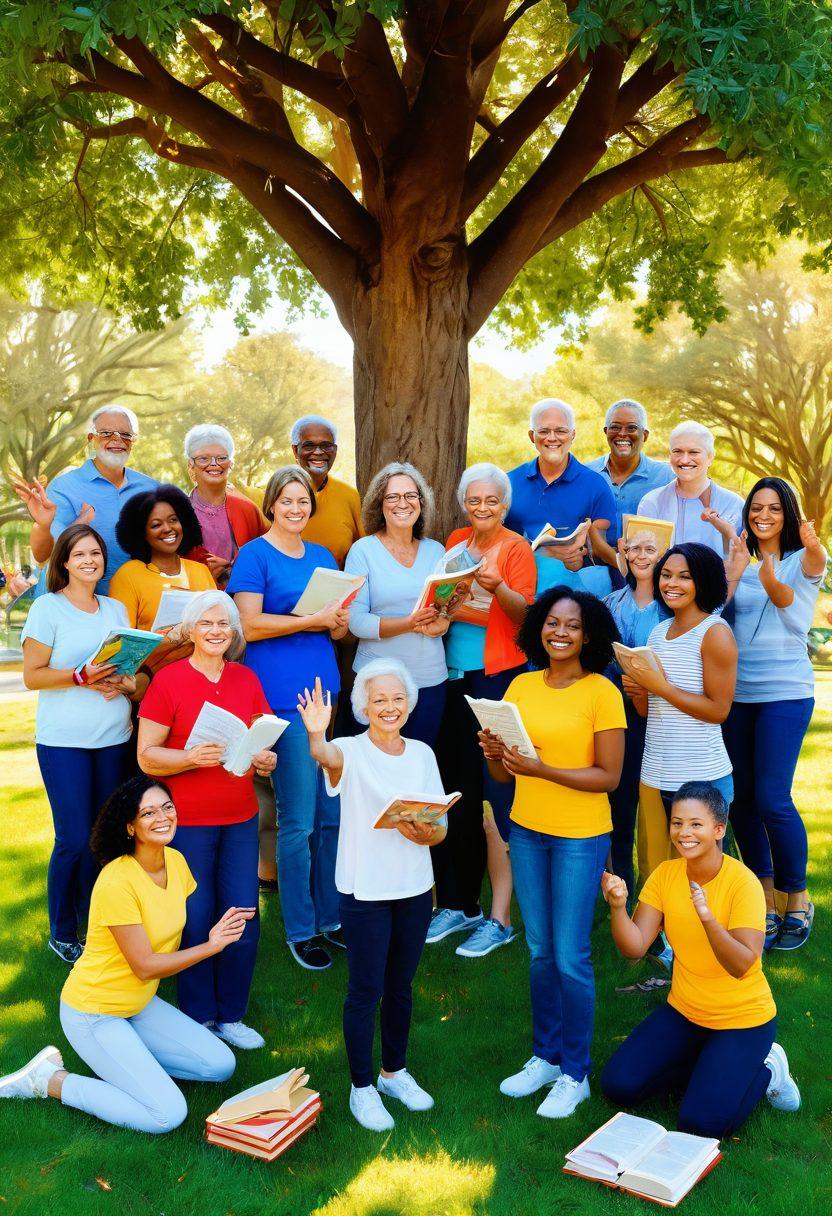
First and foremost, let's talk about the importance of community. Support groups play a vital role in the recovery journey. Imagine a room full of individuals who have walked a similar path, sharing stories, providing encouragement, and even exchanging coping strategies. It's a therapeutic reminder that you are not alone. Factors such as emotional support and shared experiences can be crucial during this stage of life. From informal gatherings to organized healthcare initiatives, finding the right group can reinforce the resilience you possess. Have you reached out to any community resources yet?
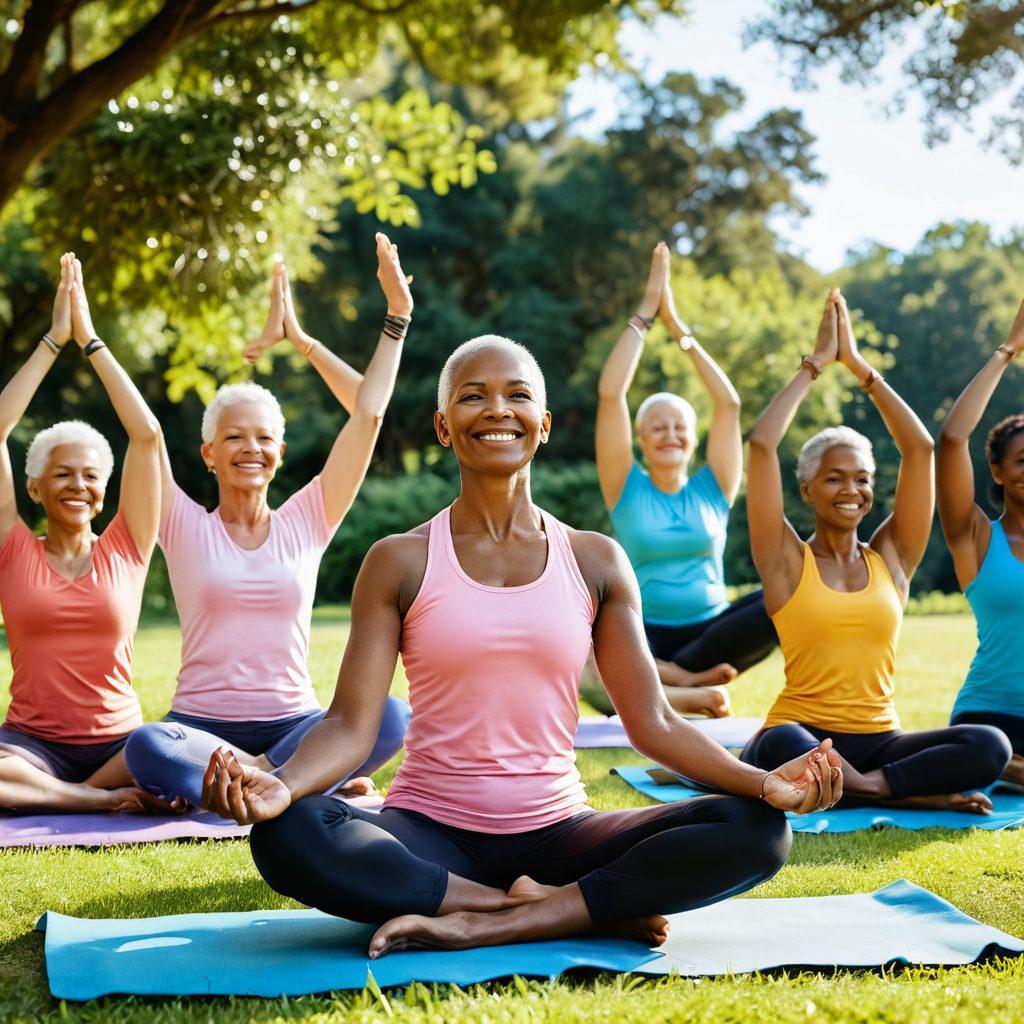
Next, consider the role of lifestyle changes in your health journey. The choices you make daily can significantly impact your wellness post-treatment. Incorporating exercise into your routine—be it gentle yoga or brisk walks—coupled with a nutritious diet can support your body in recovery. Studies in clinical research have shown that patients who maintain an active lifestyle tend to have better outcomes. What small changes can you implement today that feel achievable yet impactful?
Don't underestimate the power of knowledge! Informing yourself about your specific type of tumor, the treatments you underwent, and current trends in oncology can be empowering. Knowledge is the armor that protects you from fear and uncertainty. Plus, having discussions with healthcare professionals during follow-up appointments can help you gain clarity. Don’t hesitate to ask questions; medical advice tailored to your unique situation can greatly assist in your disease management. What are you most curious about when it comes to your health?
Lastly, remember to practice self-compassion. Cancer treatment, whether through immunotherapy, chemotherapy, or radiation therapy, can leave lasting effects, and recovery is not always linear. Some days will be rougher than others, and that’s okay. The road to regaining your strength can be filled with bumps. Celebrate small victories, and don't shy away from seeking additional health blog resources for wellness tips and inspirational stories. How will you celebrate your journey and embrace each step forward?
From Treatment to Triumph: Strategies to Enhance Recovery
When one embarks on the tumultuous journey of fighting malignancy, whether it’s through chemotherapy, radiation therapy, or immunotherapy, the road from treatment to triumph is not only lined with challenges but also ripe with opportunities for growth and wellness. Every cancer survivor carries a unique story and an indomitable spirit. The transition from active treatment to recovery can seem daunting, but understanding effective strategies can empower survivors to navigate this chapter with resilience. What are the secrets to enhancing recovery post-treatment? Let’s delve into some inspiring wellness tips and actionable strategies that can make all the difference in a cancer survivor’s life.
The first crucial step in the journey of wellness after overcoming carcinoma is embracing lifestyle changes. Many survivors may wonder, "How can I take charge of my health moving forward?" This question opens the door to numerous possibilities. Engaging in regular physical activity and adopting a nutrient-rich diet can significantly impact overall well-being. It’s not just about combating a potential neoplasm; it’s about nourishing your body, mind, and soul. A well-balanced diet can boost immunity, aid in healing, and even help in the prevention of future recurrences. Additionally, incorporating mindfulness practices such as yoga and meditation can enhance emotional resilience, allowing patients to cope better with any lingering anxiety or fears associated with cancer treatment.
Support groups are invaluable resources that provide connection and understanding during recovery. As survivors, they might find comfort in knowing they’re not alone in their experiences. Participating in community resources or patient support forums fosters a sense of belonging and shared knowledge. Not only can these groups facilitate discussions about clinical research and medical advice, but they can also offer emotional support that’s pivotal in disease management. "A burden shared is a burden halved," goes the adage, and this rings particularly true for those navigating the complex emotions tied to cancer recovery. It’s through these shared experiences that meaningful friendships and invaluable coping strategies can be cultivated.
The importance of early detection and regular screening cannot be overstated when discussing cancer prevention. Survivors can greatly benefit from establishing a proactive relationship with their healthcare providers, ensuring they remain vigilant about follow-up care and discussions surrounding potential signs of relapse. On the matter of ongoing education, regular consultations can provide survivors with the latest insights in the medicine world, including breakthroughs in therapies and cancer treatment protocols. Equipped with this knowledge, survivors can take informed steps towards safeguarding their health in the long run.
Lastly, let’s not forget the power of storytelling and raising awareness. If you’re a cancer survivor, let your voice echo in the halls of hope. Share your journey through blogs or community talks; inspire others with your trials and triumphs. The lessons learned from each experience can serve as beacons for others who find themselves at the crossroads of their cancer journeys. Remember, every story has the potential to uplift another soul, and through connection, we can cultivate a resilient community dedicated to wellness beyond cancer. In the words of an anonymous survivor, "We might not have chosen this battle, but we wield our scars like badges of honor, equipped with wisdom and strength."
Building a Supportive Community: Empowering Survivors through Resources and Awareness
In the journey of overcoming cancer, survivors face numerous challenges, both physical and emotional. When it comes to wellness and recovery, one of the most significant aspects is building a supportive community. It’s often said, 'It takes a village to raise a child,' but this adage rings equally true for those battling malignancies. A well-knit community empowers cancer survivors by providing resources, awareness, and understanding that are essential not just for recovery but also for quality of life. Imagine strolling down a path lined with resilient warriors, each sharing stories of hope, strength, and triumph. Wouldn’t it be comforting to know you are not alone in this fight?
Creating a strong support system is crucial. Survivors often benefit from engaging in support groups where they can share their experiences, insights, and coping strategies with others who have walked similar paths. These gatherings serve as a vital component in the landscape of cancer treatment and recovery. They provide a safe environment to express feelings and fears, and it’s here that many find solace in knowing that what they are experiencing is entirely valid. Additionally, leveraging community resources such as local nonprofits, healthcare professionals, and online forums can be a strategic part of disease management. Ever thought about how sharing your story might alleviate someone else's burden?
Awareness is another pillar of support that can significantly impact a cancer survivor’s journey. A well-informed community is a powerful one; understanding the various types of carcinoma—be it tumors related to breast cancer, lung cancer, or any neoplasm—allows individuals to engage more meaningfully with their health care providers. This leads to not only better clinical research outcomes but a potential for improved patient support. Have you sought out educational resources, workshops, or seminars related to oncology? These are fantastic opportunities not just for survivors, but for families, caregivers, and friends to learn about effective cancer prevention strategies and to keep abreast of the latest in therapies like immunotherapy, chemotherapy, and radiation therapy.
In addition to community and awareness, lifestyle changes play a pivotal role in ensuring emotional and physical wellness. Simple adjustments like embracing regular exercise, a balanced diet, and stress-reducing activities can lay a foundation for recovery. It’s fascinating how adopting small wellness tips—a gentle daily yoga practice, being mindful of nutrition, or simply taking a moment for self-care—can lead to significant physical and mental changes. Have you considered your daily habits? Perhaps now is the time to re-evaluate what you put into your body and how you treat your mind!
Ultimately, building a supportive community for cancer survivors is about more than just finding people who understand; it's about creating bonds rooted in empathy and shared experiences. Seeking medical advice and attending workshops enhances not just knowledge but also engagement with one's treatment journey. Encouraging your loved ones to participate in screening and early detection processes can make all the difference, emphasizing preventative measures. As we foster these connections, we pave the way for hope, resilience, and a robust recovery. After all, who wouldn’t want to be part of a powerful network focused on wellness, sharing, and thriving?